
Blog
Why a Multi-Chain Wallet with MEV Protection Is the Only Smart Move for Serious DeFi Users

Okay, so check this out—DeFi’s grown messy fast. Wow! Fees jump, bridges wobble, and transactions that looked simple suddenly fail for reasons that felt invisible a year ago. My first reaction was: this is chaos. Then I dug in. Initially I thought a single-chain wallet would do, but then realized that being single-chain is like bringing a pocketknife to a Swiss Army job—handy, but not nearly enough.
Here’s the thing. Multi-chain capability used to be a “nice to have.” Seriously? Now it’s essential. Medium-sized projects and power traders can no longer accept the latency and blindspots that come from moving assets through one chain at a time. On one hand, multi-chain access reduces friction and opens yield opportunities; on the other hand, it increases attack surface if your wallet and its transaction pipeline are naive about smart contract calls and front-running risks.
Hmm… my instinct said that wallets that simulate transactions before broadcasting are underrated. Something felt off about wallets that show balances but don’t predict outcomes. So I started testing how real smart contract interactions behave when you try to swap, add liquidity, or execute a complex strategy across chains. The surprising bit: many wallets either gloss over reverts or simply let gas estimates lie. That bugs me. I’m biased, sure, but as a user you deserve to know if a call will fail before the chain eats your gas.
Why transaction simulation matters — and what it actually does
Transaction simulation is not just a UX nicety. Short sentence. It’s a form of rehearsal that reveals whether a contract will revert, how much gas is realistically required, and whether your sequence of operations will land the way you expect it to. My early impression was that simulation would be slow. Actually, wait—let me rephrase that: I assumed simulation was a backend luxury reserved for big players, though modern wallets are catching up and making it practical for everyday users.
Think of it like dry-running a trade in a sandbox. Two points: first, you avoid paying for a failed execution; second, an advanced simulator can estimate slippage, gas spikes, and MEV risks that might siphon value before your tx is mined. On one side you get clarity. On the other side there’s complexity—because the mempool and block builders are adversarial places, and an estimate is still an estimate.
So what do you want from a wallet? You want confident, realistic previews and tools that let you choose safety over speed when necessary. You want to be able to set protectors and disable risky contract interactions if something smells like a sandwich-attack or a gas-price manipulation. I’m not 100% sure every wallet gets this right yet, but some do a much better job—I’ve been using one that simulates across chains and it changed how I route trades.
MEV protection: not just for whales
Whoa! MEV used to read like a hacker movie subplot. Now it’s where your slippage comes from. MEV is basically value extraction by whoever gets to order, include, or censor transactions. For retail users, that often means worse fills and extra costs that show up as “slippage” or invisible losses. My gut said early on that MEV only helped miners or validators. Reality: it’s an ecosystem problem with relayers, bots, and block builders all playing roles.
Wallet-level MEV protection matters because it’s where the user interface meets raw transaction flow. On a technical level, protection looks like: private mempool submission, rerouting through MEV-aware relays, sandwich-attack detectors, and options to get your tx included in fairer ways. On a behavioral level, it’s about defaults that protect novice users instead of exposing them to predatory ordering mechanics.
I’ll be honest—there’s trade-offs. Private submission can cost more, or route through unfamiliar relays. Sometimes you trade speed for privacy, and sometimes you accept slightly higher fees for a better net outcome after MEV is considered. On balance, for DeFi power users this is a no-brainer: pay a little to keep a lot.
Multi-chain realities: bridging isn’t a panacea
Bridges look convenient. Short. They also carry risk. Bridges can be points of failure, and cross-chain atomicity is still rough. If your wallet can natively manage assets across L1s and L2s and simulate the consequences of cross-chain operations, you avoid very very costly surprises. (Oh, and by the way…) native multi-chain UX reduces the temptation to trust random bridge contracts.
In practice, smart multi-chain wallets let you: view token states across chains, simulate cross-chain swaps, and prepare fallback plans if a bridge step fails. They also should alert you to bridging costs and MEV exposure that might occur during the hop. On some chains the mempool dynamics are worse. On others, relayer fees dominate. Knowing this matters for real trades—especially if you’re moving substantial sums.
Initially I was excited about one-click bridges. Then I watched a swap where the bridge’s liquidity slippage doubled my expected loss. That shifted my approach. Now I simulate the whole route end-to-end and, if needed, break the operation into smaller steps to limit attack surface.
How a smart wallet ties it together
Practical wallets combine three things: multi-chain plumbing, simulation for contract calls, and MEV-aware submission. Together they turn guesswork into informed risk choices. Here’s an example from my own workflow: I preview a farm deposit, the wallet simulates the interaction and warns of a potential revert because an allowance hasn’t been set, it shows the best gas strategy across chains, and then it routes the tx through a relay that minimizes sandwich risk. Boom—less wasted gas and fewer surprises.
Not all wallets do that. Some prioritize simple UX while ignoring the messy middle of smart contract execution. That approach is fine for basic transfers, though it’s fragile for the DeFi maneuvers many of us rely on. So, if you care about route quality and safety, you want a wallet that takes the messy parts seriously.
Pro-tip: find a wallet that gives you the simulation output instead of hiding it. Show me the expected state changes. Show me the failure modes. Tell me what might be MEV-targetable. I’m biased, but that hands-on visibility changed my decision-making.
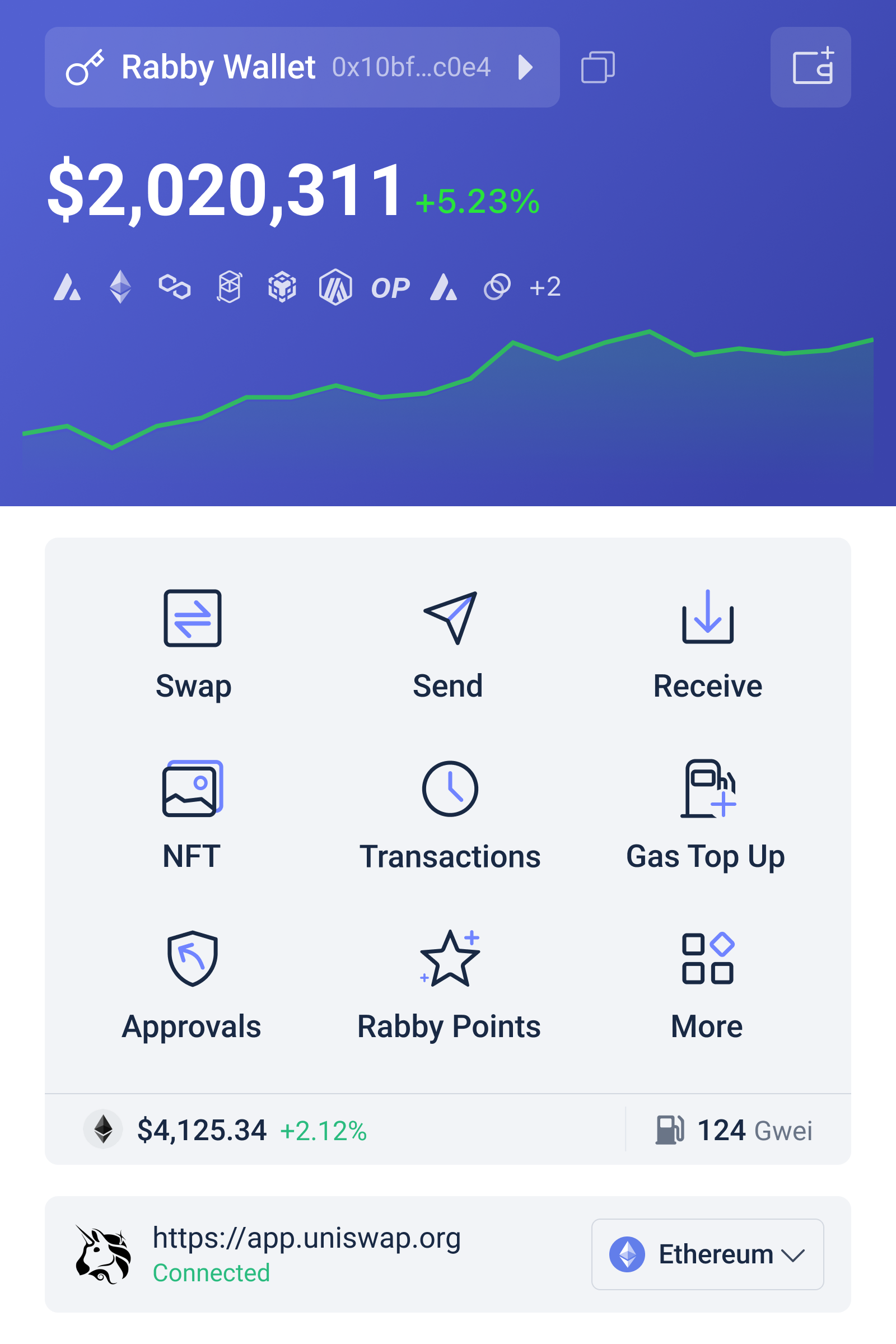
For a practical recommendation, try a wallet that balances multi-chain reach with simulation-first design. One I’ve been testing integrates these features and keeps the UX straightforward—rabby wallet—and it tends to surface meaningful tradeoffs before I click confirm. Not an ad, just my honest take.
Quick FAQ
Do I need MEV protection for small trades?
Short answer: sometimes. Small trades aren’t immune. If a token has low liquidity or you’re interacting during volatile moments, MEV can wipe your gains. Simulating helps decide if protection is worth it.
How reliable are transaction simulations?
Simulations are estimates, not guarantees. They model current chain state and likely miner/builder behavior. They catch reverts and most slippage scenarios, though sudden mempool shifts can still create surprises. Use simulations as a compass, not a map.
What’s the simplest upgrade I can make today?
Use a wallet that offers transaction simulation and at least one MEV-aware submission path. Also, practice splitting big operations into smaller chunks and double-check approve allowances—that saved me more than once.
